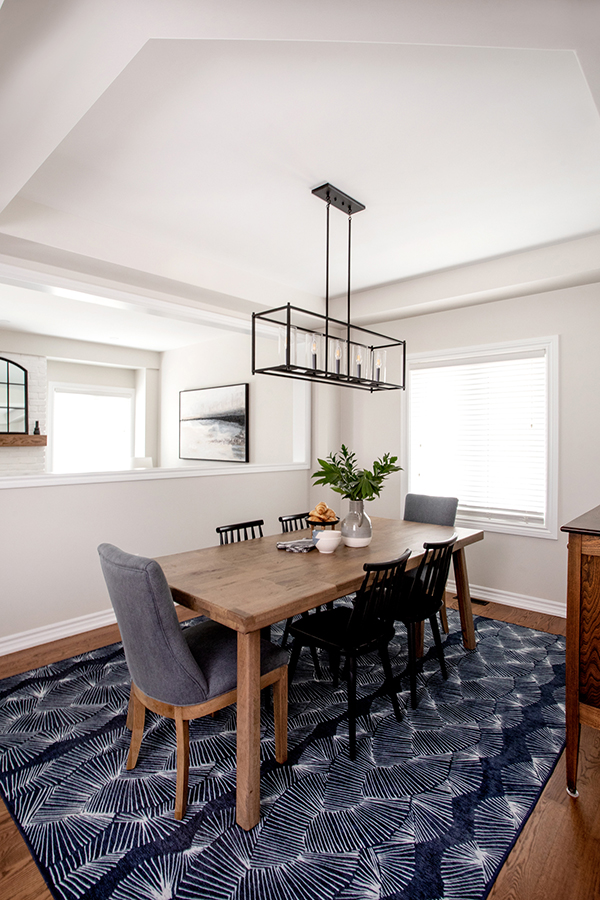
One of the most significant changes you can make to a room is replacing the rug. By adding new colours and/or patterns you can alter the overall aesthetic of the space quite considerably. We often overlook the importance of the rug and instead replace furniture, curtains, art and decor before considering the rug.
Having said that, most of us feel apprehensive about replacing a rug because it’s a big undertaking. It can be difficult to find beautiful rugs locally and ordering online can be intimidating since we can’t see it live before ordering.
If you’re in the market for a new rug these are some tips that will help you shop with confidence.
What to Look For and Avoid When Buying a New Rug
Start With the Right Size
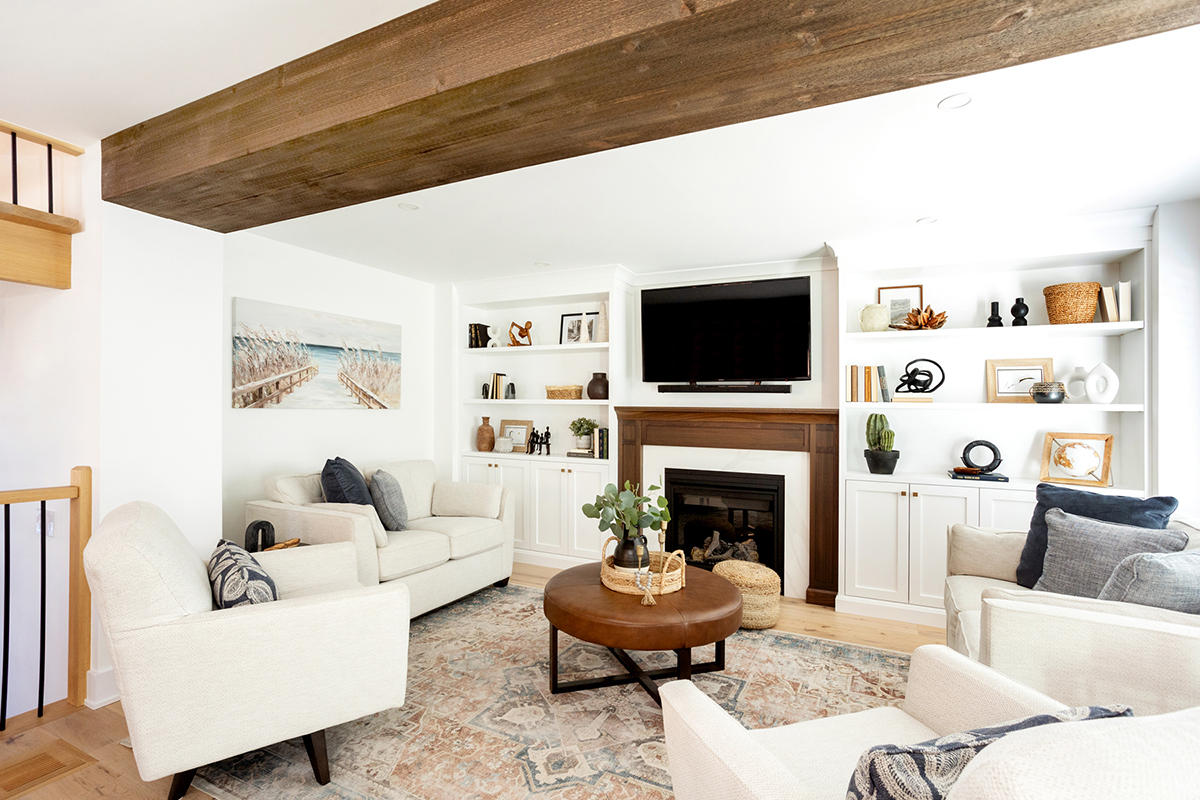
This is the single most important factor and too many of you are consistently getting this wrong. I rarely see a rug that’s too big for a space but I often see rugs that are way too small. This makes your room look smaller than it is and it cheapens the overall aesthetic of the space. Here are some tips to help you shop for the correct size.
- Living Room - Most living rooms look best with a rug that’s 8x10. If your room is on the larger side you may require one that’s 9x12 or even occasionally a 10x13. The general rule is that the front legs of all your seating should be sitting on top of the rug.
- Bedroom - Your bed should cover ⅔ of the rug once placed under the bed. The purpose of a bedroom rug, aside from aesthetics, is to keep your feet warm when getting out of bed so it’s important that the rug extend out on either side as well as the foot of the bed.
- Dining Room - It can be difficult to get back into your seat at the table If the chair legs are falling off the rug. Be sure that when you push the chair away from the table that they’re still sitting on the rug. The size will depend on the size of your room as well as the size of your dining table. Flatweave rugs are the best option for dining rooms as the chair doesn’t have a thick pile to contend with and can travel more easily across the low pile.
One of the best ways to test for size is by using painter’s tape on your floor. Lay the tape onto your floor to ensure the size you plan to purchase is correct for your space.
Focus on Materials
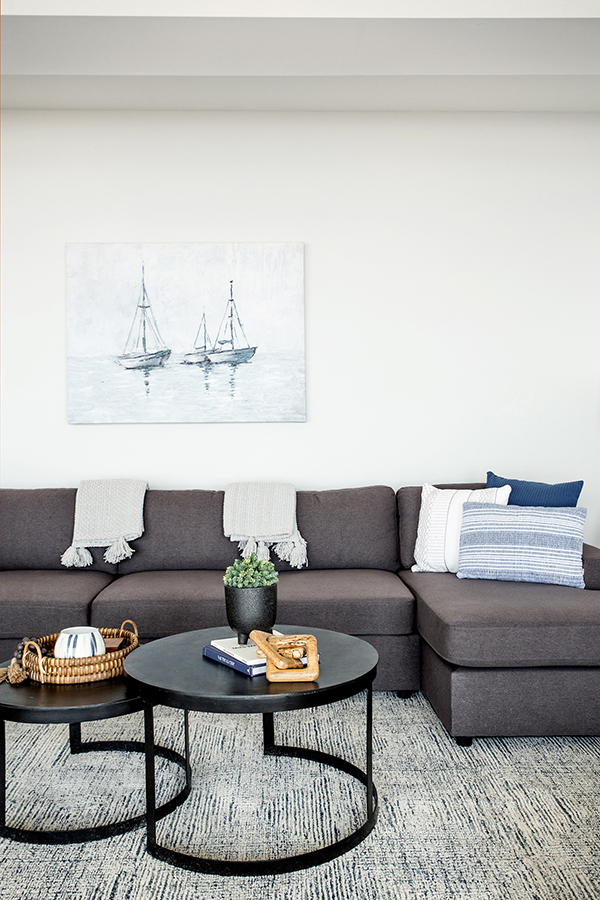
If you’ve been buying your rugs from big box stores you may not have paid much attention to the material composition. This matters because the material you select has an impact on its performance and the way it will hold up over time.
This decision is often related to budget so determine how much you can afford to spend. The next consideration is performance. What will your rug have to withstand on a regular basis? If you have young kids and pets you’ll want a material that’s easy to clean and with fibres that will bounce back even with daily wear and tear.
- Natural Fibres - This includes wool, jute, sisal, cotton and silk. With the exception of silk, these are all low maintenance materials that will withstand daily life even with a busy family. These are all great options for high traffic areas. Even with a busy family, silk can perform well but try to avoid high traffic areas to increase the life of your silk rug.
- Synthetic Fibres - Some synthetic fibres contain chemicals and can become irritating to people with health issues. If that’s not a concern for you this may be a good option for those on a limited budget. Synthetic rugs are machine made and can offer a wide variety of colour and pattern options. They are typically a lower pile rug that can be cleaned if spills are attended to quickly.
Selecting the Correct Colour and Pattern
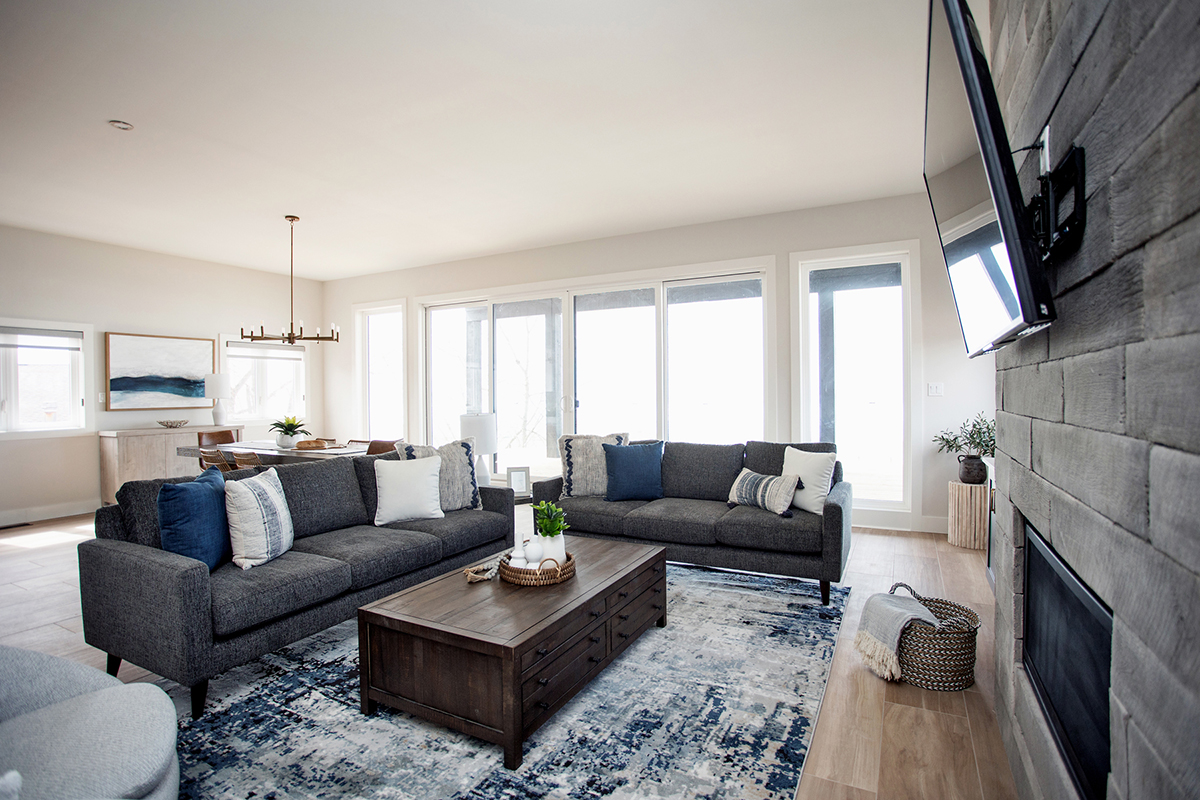
Now that you’re armed with the best information, it’s time for the fun part - selecting the right rug for your home.
When it comes to colour, your rug should never be purchased in isolation with no consideration given to the surrounding environment. You want your rug to contain colours that are found throughout the space. Look to your furniture, artwork and decor and look for rugs that contain some or all of those colours. This helps to give a cohesiveness in your space.
The pattern of a rug can help to set the tone for the space. They also align with design styles so it’s important to understand what patterns can bring to your home.
- Stripes - This is a casual style that will work well in most environments with the exception of a traditional space. The wider the stripe, the more casual it will appear.
- Florals - With the exception of a modern space, most homes look good in florals. A more abstract floral works better in a contemporary space while a traditional home looks best with a smaller, finely detailed floral.
- Geometric Patterns - These look great in any modern, contemporary, farmhouse or mid-century modern home. There are so many variations of colour, tone and size of pattern so you’ll be sure to find something right for your space. Try to avoid geometric patterns in a traditional home as it may feel out of place with heavy, ornate furniture pieces.
- Traditional Rugs - This can include rugs with centre medallions, small florals and damask patterns. Not surprisingly, these look great in traditional homes but they really work in any design style. They can add a lot of interest to a modern space and act as a counterbalance to all the new items.
Runners
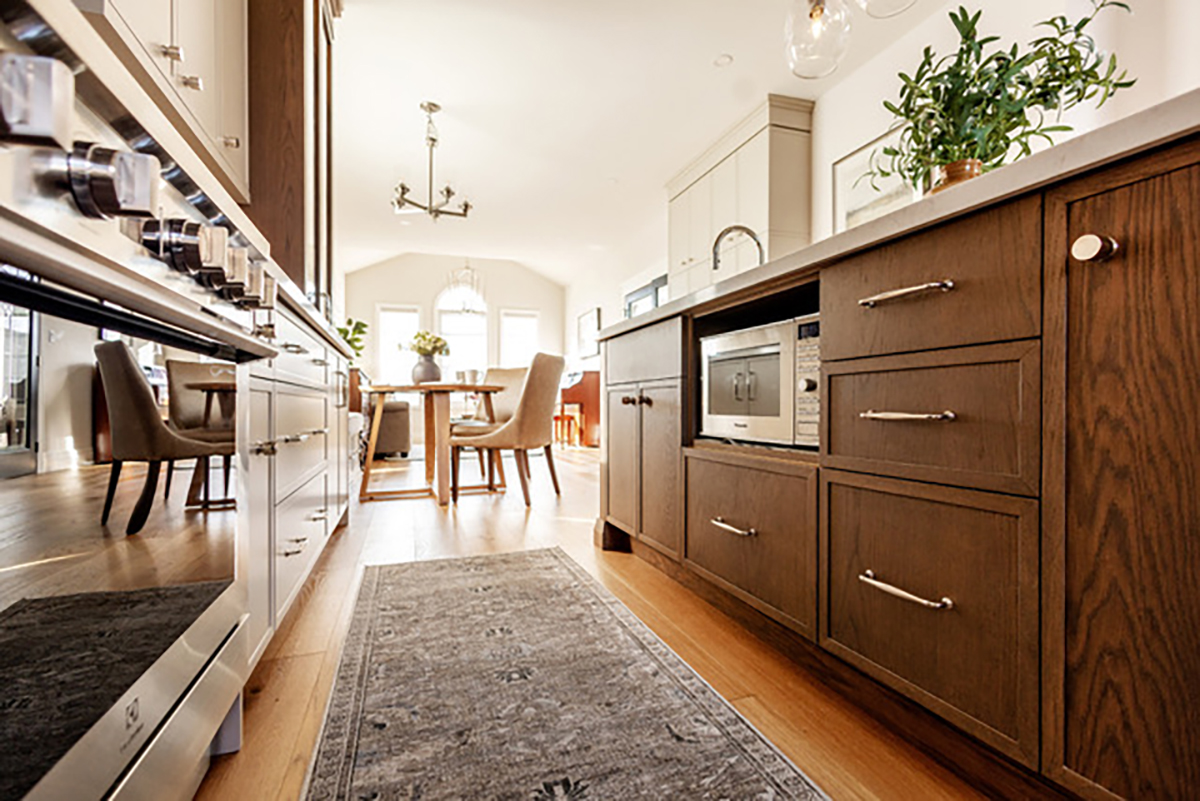
Not enough of us are using runners and I’m here to encourage you to do so. A runner in a long hallway or in your kitchen can give your home an upscale look, is warm underfoot and adds visual interest to typically dull areas.
- Aim for a width that leaves 3-4” between the wall and the edge of the runner.
- For extra long hallways, consider a custom size or use two identical runners. If you opt for two be sure that the space between the two is not lined up with a doorway. You want the split to happen past any doorways to create a more polished look when leaving a room.
- If you have furniture in the hallway sitting alongside your runner be sure that the front legs of the furniture sits on the runner.
I hope you feel inspired to go shopping with this added information. If you need help with an upcoming design or decorating project, reach out to me. I’d love to hear about your 2027 project and how I can help.