
Recently there’s been a surge of home listings that have been obviously staged using digital AI programs. What that means is that a realtor has hired someone to alter a room’s image to include furniture and decor that doesn’t exist. This is all in an effort to show the buyer what is possible. The images create a fantasy that can be sold without having to invest in the changes themselves.
These AI generated images are causing some debate about what’s ethical. Primarily, is this ethical marketing or is it deceptive advertising? For instance, an empty house can be transformed to look like a magazine-worthy home. Outdated kitchen cabinetry is transformed to show the home’s potential but when the buyers arrive they still find the outdated kitchen and empty rooms. This can lead to buyers feeling like they’ve wasted time and have lost trust in the realtor and the process.
What Is Professional Staging?

Professional staging is not one click, one photo, or one decorative layer. It is about property preparation, not just the decorative aspects. A trained stager helps identify the conditions that reduce perceived value. This allows the homeowner to understand and take the necessary action to prepare the property for photography, showings, and buyer response.
When I consult with homeowners who are preparing to sell their home we cover all aspects of their home and address concerns regarding areas that are in disrepair, in need of repairs, cleaning and condition readiness. Only when those issues have been addressed do we move onto furniture and decor. If you’re selling your home, this list will help you determine what needs to be done to get ready.
Why Are Realtors Relying on AI?

Over the last few years there has been a rise in realtors offering staging services as part of their services. This is one way they can differentiate themselves from others and it’s no doubt been appreciated by homeowners who don’t have the time, money or inclination to stage their home themselves.
“How cheaply can I get this done” is the approach that many of these realtors are taking and this is how AI staging has entered the chat. This type of staging has helped create a race to the bottom and is leaving both homeowners and buyers feeling underwhelmed by it.
This digital staging has encouraged a shallow definition of staging and reduced it to decluttering, fluffing and accessorizing. Once staging is misunderstood as a decorative task it becomes easier to replace it with a subscription app.
How AI Is Damaging to Buyers

While it’s informative to understand the potential of a home using AI generated images it can also remove the responsibility of maintenance and repairs from the homeowner. Without the pressure to create a sale-worthy home a seller can list a home with deficiencies that aren’t evident until a walk-through or even worse, at the time of inspection.
The distinction matters because sellers are not hiring representation simply to place a
property online. They are relying on guidance that protects their outcome. When property preparation is reduced to a casual suggestion or a digital shortcut, the seller may believe staging has been addressed when, in reality, the most important work may never have been done.
Real estate is built on specialist contribution and together those specialists create the conditions for a sale. Agents do not complete title searches or approve mortgages. They do not conduct legal work. They do not replace licensed contractors, home inspectors, photographers, appraisers or professional organizers. They know that each specialist contributes protection, accuracy, and confidence to the transaction. Professional staging is no different and should be treated as just another professional working as part of the team.
The strongest agents will not be the ones trying to replace every specialist. They will be
the ones who prove their value by knowing which specialists to bring to the table and how each one protects the seller’s result.
The Real Benefits of Professional Staging
To understand why AI generated images are not replacements for professional stagers the real estate Industry must stop treating staging as simply a decorative function. Professional staging takes planning and more time but delivers stronger results when it is understood as a three-stage process:
Step 1 - The Consultation

The property is viewed objectively through the eyes of the target buyer. The stager identifies visible equity-loss gaps: condition concerns, dated elements, poor room purpose, awkward flow, distracting personal items, lighting weaknesses, scale issues, and other elements that may reduce perceived value.
AI virtual staging attempts to imitate a narrow part of this. A low-cost tool may help someone create a visual impression. It does not replace professional assessment, judgment, experience, standards, or accountability.
Step 2 - Action

Once the consultation is complete the homeowners will have a document outlining all of the action steps they need to take to prepare their home for sale. The seller is now left to complete the recommended preparation. Some work may be done by the seller, some may require outside help. Contractors, cleaners, organizers, painters, repair specialists, or other trades are all scheduled to address the concerns of the staging professional.
This is the stage where the property begins to move from lived-in to market-ready. An AI tool cannot manage a painter, verify the quality of a repair or ensure that a property has been
deep-cleaned to professional standards.
Step 3 - Styling
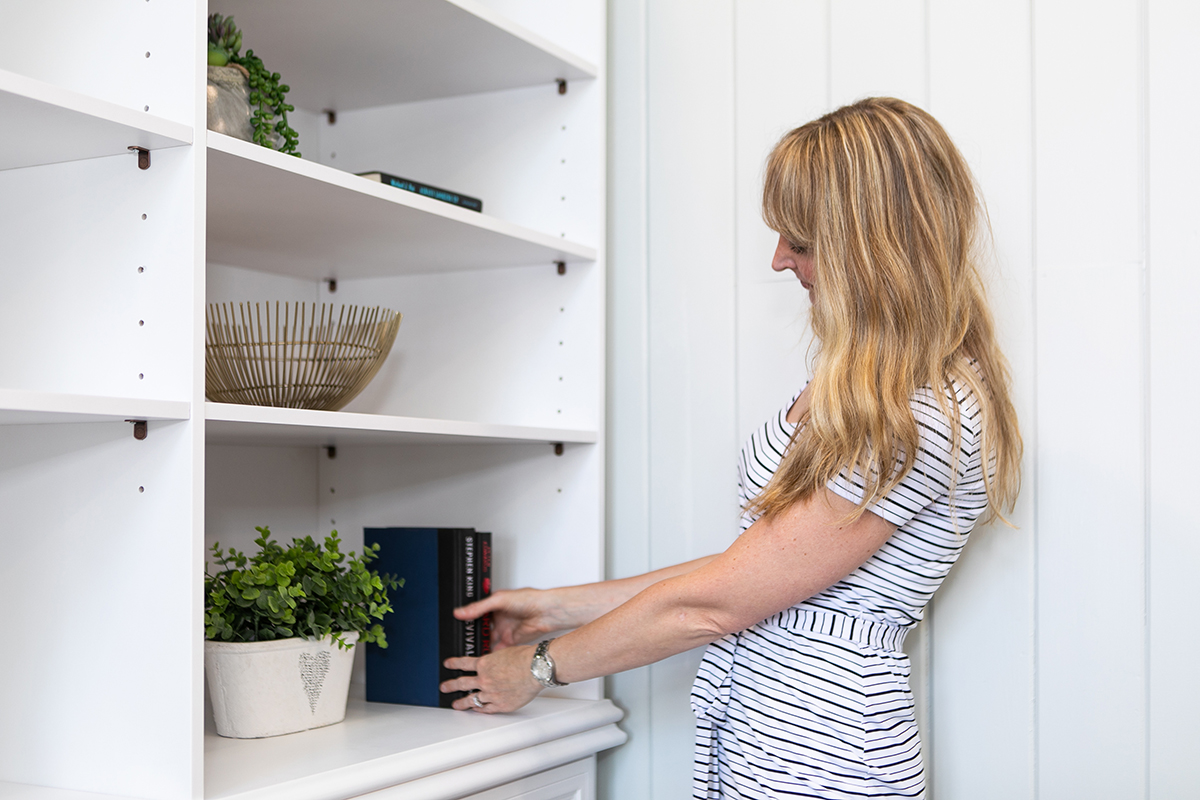
Once the property has been prepared the rooms are styled for photography and in-person buyer response. During the consultation I advise my staging clients on which furniture pieces should stay and which should go, which personal items should be packed away and which artwork is appealing to buyers. This final layer supports emotional connection, scale clarity, room purpose, and perceived value. If you’re selling your home and want to know which furniture pieces work, read this post.
AI virtual staging attempts to imitate a narrow part of this third stage. It does not perform
the first two stages, where much of the equity protection occurs. A low-cost tool may help someone create a visual impression. It does not replace professional assessment, judgment, experience, standards, or accountability.
Unfortunately, no quick fixes will work when it comes to selling your property. The only way to be ready for market and for buyer inspections is to have your home prepared in a way that meets buyers standards.
If you’re selling your home and need a staging professional to help you get ready, reach out to me. I’d love to talk to you about how the process works and how we can help.